The retail industry is undergoing a profound transformation, driven by technological advancements, changing consumer preferences, and a growing emphasis on sustainability. As we navigate the future of retail, it is essential to understand the trends and innovations that are reshaping the shopping experience. This article explores key developments in the retail landscape and how they influence both businesses and consumers. One of the most significant trends in retail is the integration of technology into the shopping experience. From mobile apps to augmented reality, technology has revolutionized how consumers interact with brands. Retailers are increasingly adopting e-commerce platforms, allowing customers to shop online with convenience and ease. The COVID-19 pandemic accelerated this trend, as many shoppers turned to digital channels for their purchases. As a result, brands that had previously relied heavily on brick-and-mortar stores have quickly adapted by enhancing their online presence. Additionally, technologies such as artificial intelligence (AI) and machine learning are enabling retailers to personalize the shopping experience. By analyzing consumer data, retailers can tailor recommendations and promotions to individual preferences, creating a more engaging experience. For example, online retailers often use algorithms to suggest products based on past purchases, browsing history, and user preferences. This level of personalization not only enhances customer satisfaction but also fosters brand loyalty. Physical stores are also evolving to meet changing consumer expectations. Retailers are reimagining store layouts to create immersive experiences that draw customers in. This shift emphasizes the importance of experience over mere transactions, encouraging consumers to spend more time in-store. Many retailers are incorporating interactive displays, sensory elements, and even experiential zones where customers can engage with products in new ways. For instance, beauty brands may set up testing stations for customers to try products before purchasing, while technology companies may create interactive areas to showcase their latest gadgets. Sustainability is another critical factor influencing the future of retail. Consumers are increasingly aware of the environmental impact of their purchases, leading to a demand for sustainable practices in the retail sector. Brands are responding by adopting eco-friendly packaging, sourcing materials responsibly, and implementing waste reduction strategies. Additionally, many retailers are exploring circular economy models, where products are designed for longevity and recyclability. This approach not only meets consumer demand for sustainability but also positions brands as responsible stewards of the environment. The rise of ethical consumerism has led to a growing interest in transparency. Shoppers want to know where their products come from and how they are made. Brands that prioritize transparency in their supply chains and production processes can build trust with consumers and differentiate themselves in a crowded market. For instance, clothing brands that share information about their sourcing practices and labor conditions resonate with socially conscious consumers. In addition to these trends, the concept of omnichannel retailing is gaining traction. This approach combines online and offline shopping experiences, allowing consumers to interact with brands seamlessly across various touchpoints. For example, a customer may browse products online, check availability in-store, and then make a purchase through a mobile app while at the store. This integration creates a cohesive shopping journey and caters to the preferences of modern consumers who expect flexibility and convenience. Social media platforms have also become integral to the retail experience. Brands leverage social media to engage with customers, showcase products, and promote special offers. Influencer marketing has emerged as a powerful tool for reaching target audiences, with brands collaborating with social media influencers to drive awareness and sales. This trend highlights the importance of authentic connections in the digital age, as consumers increasingly trust recommendations from individuals they follow online. The growth of mobile commerce is another significant trend shaping the future of retail. With the widespread use of smartphones, consumers are increasingly using mobile devices to make purchases. Retailers are optimizing their websites and apps for mobile use, ensuring a seamless shopping experience. Features such as mobile wallets and one-click purchasing streamline the buying process, making it easier for consumers to shop on the go. As the retail landscape evolves, the importance of customer experience cannot be overstated. Brands are prioritizing customer service and engagement, recognizing that a positive shopping experience can lead to repeat business and brand loyalty. Retailers are investing in training their staff to provide exceptional service, whether in-store or online. This focus on customer-centric strategies is crucial for retaining customers in an increasingly competitive market. Looking ahead, the future of retail will undoubtedly be shaped by continued innovation and adaptation. As technology advances and consumer preferences evolve, retailers must remain agile and responsive to change. The integration of emerging technologies, a commitment to sustainability, and a focus on enhancing customer experiences will be vital for success in this dynamic industry. By embracing these trends, retailers can not only meet the demands of today’s consumers but also position themselves for long-term growth and success. In conclusion, the retail industry is at a crossroads, with various trends and innovations reshaping the shopping experience. From technological advancements and sustainability efforts to the rise of omnichannel retailing, the future of retail is bright for those willing to adapt and innovate. As consumers continue to seek convenience, transparency, and engagement, retailers that prioritize these aspects will thrive in the evolving marketplace.
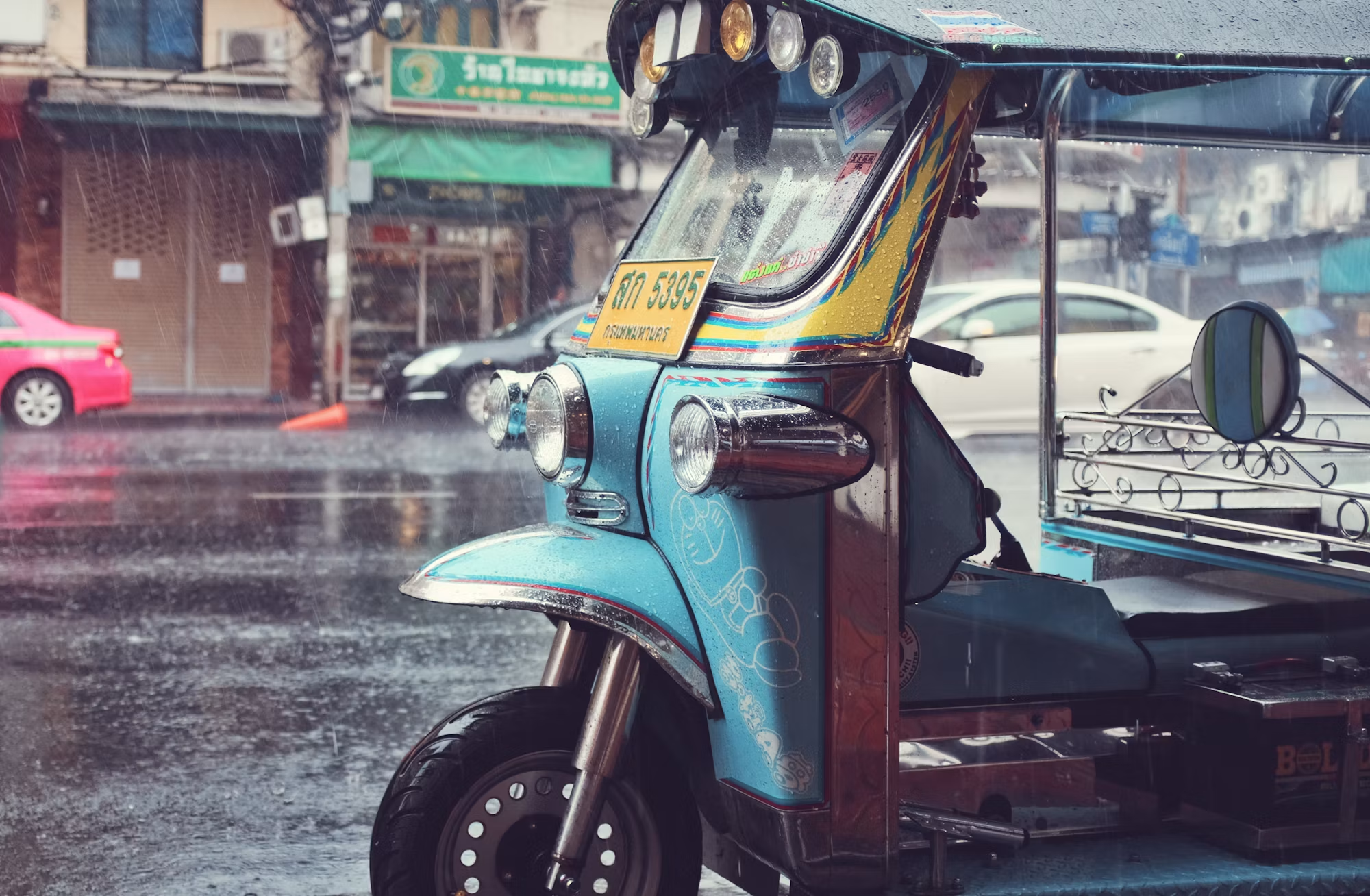
Navigating the Future of Retail: Innovations and Insights
An exploration of the key innovations shaping the future of retail, examining how technology, consum
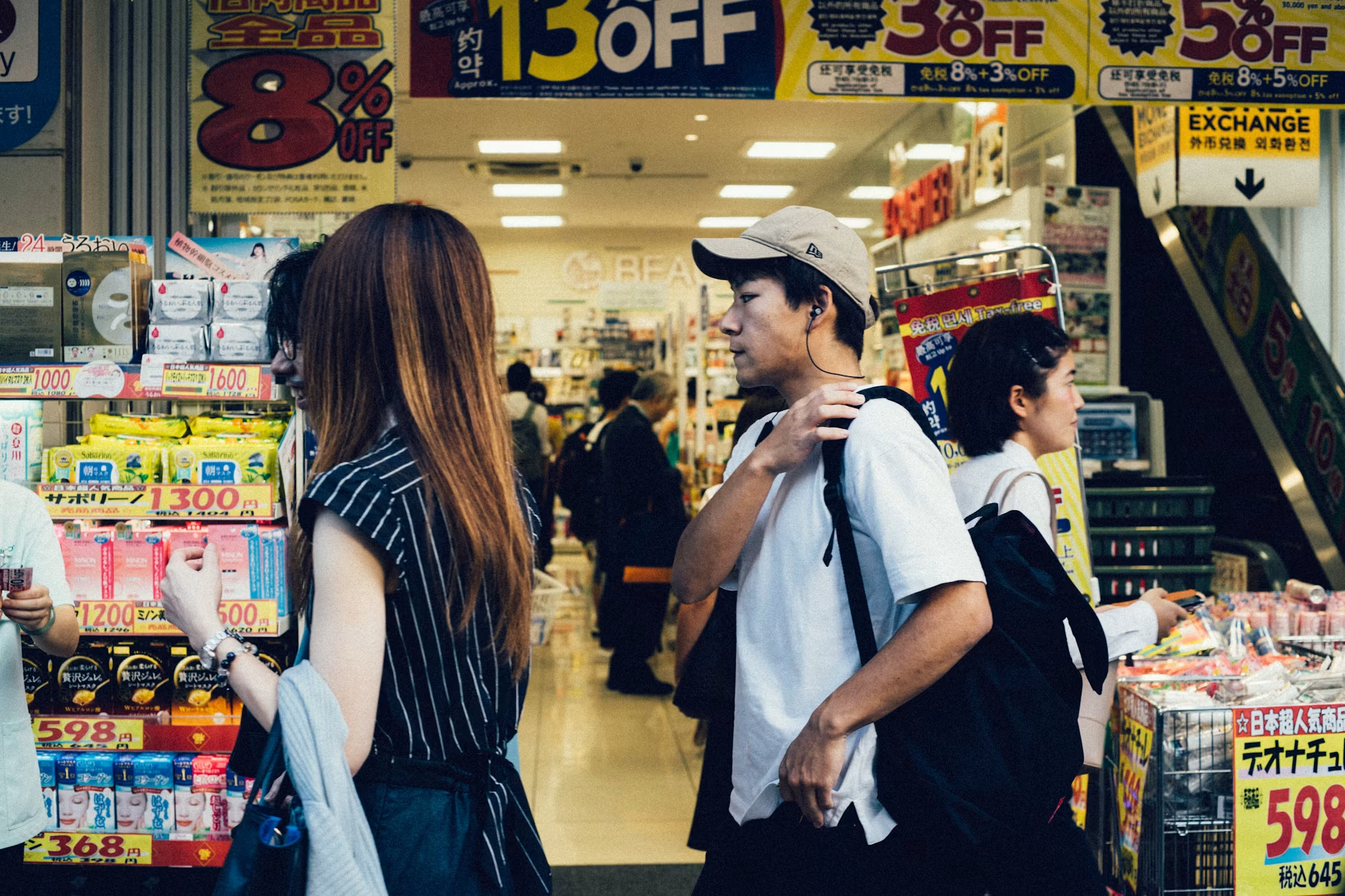
Exploring the Evolution of E-commerce: From Simple Transactions to Complex Experiences
This article examines the evolution of e-commerce, tracing its journey from basic online transaction
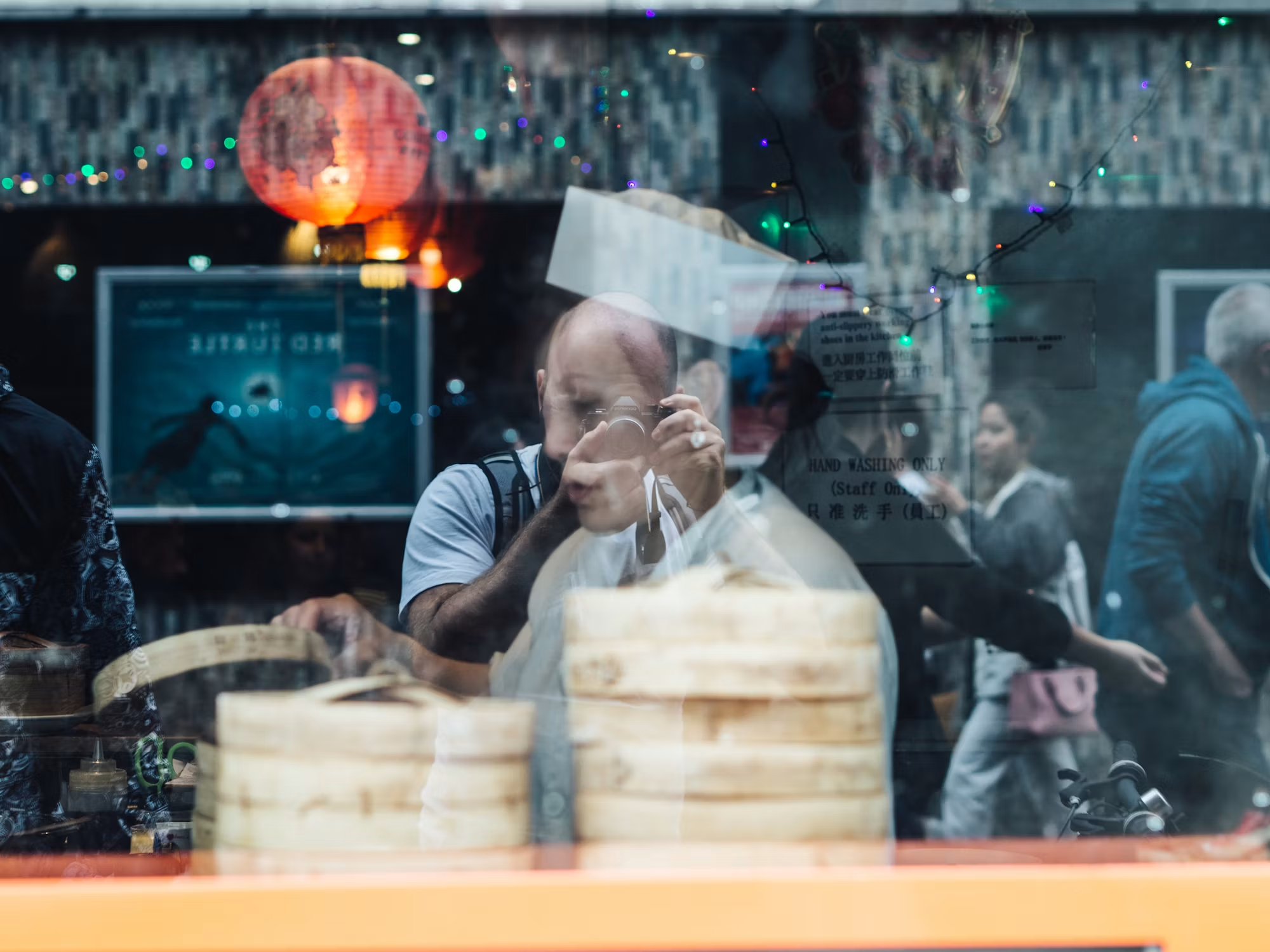
Reimagining Retail: The Impact of Consumer Behavior on Shop Strategies
An in-depth look at how changing consumer preferences are reshaping retail strategies across various
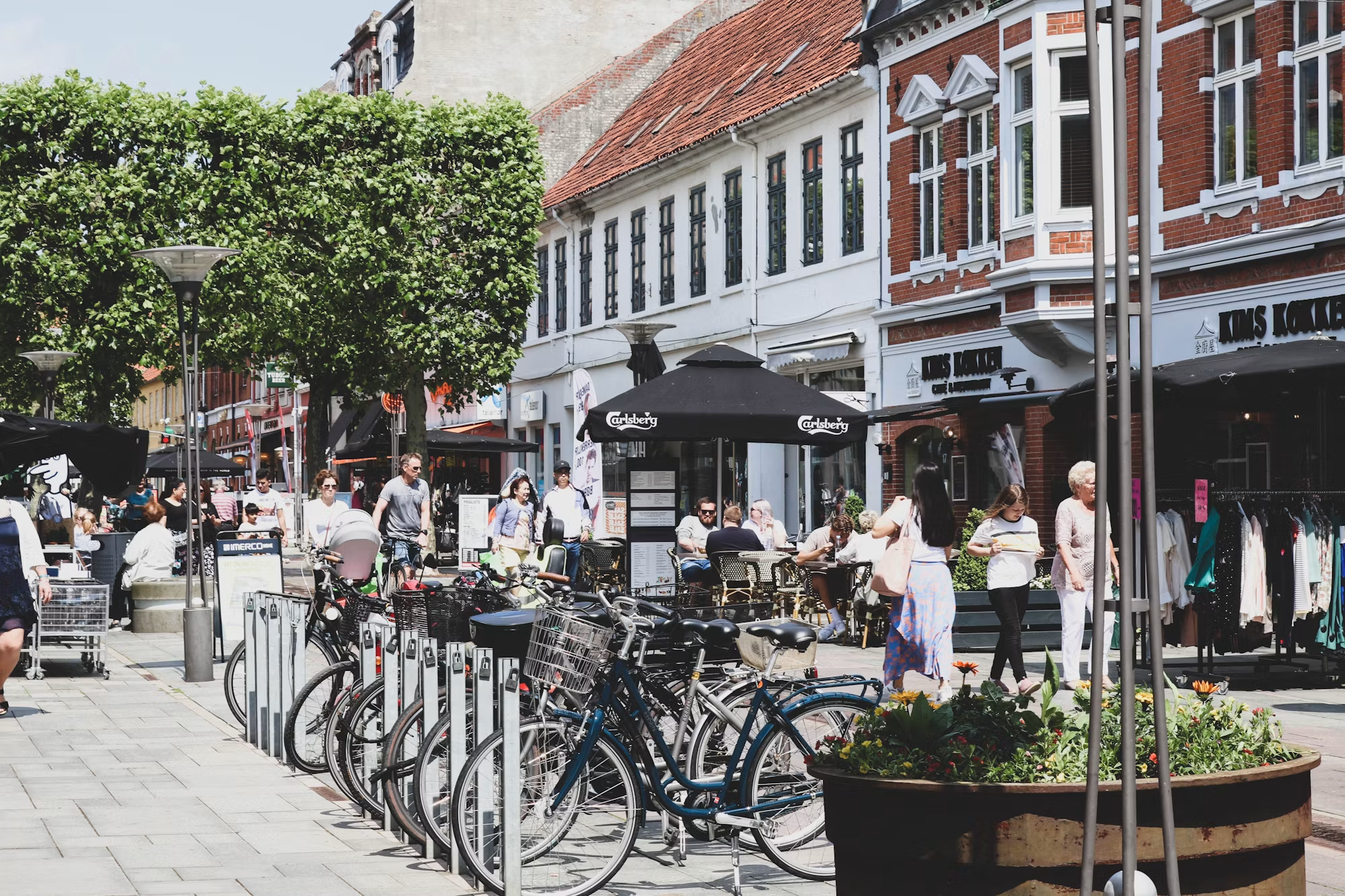
Exploring the New Age of Shopping: Trends and Innovations
This article explores the latest trends and innovations in the shopping industry, focusing on consum

Discovering the Unique Treasures of Flea Markets
An exploration of flea markets, their cultural significance, the variety of items they offer, and th
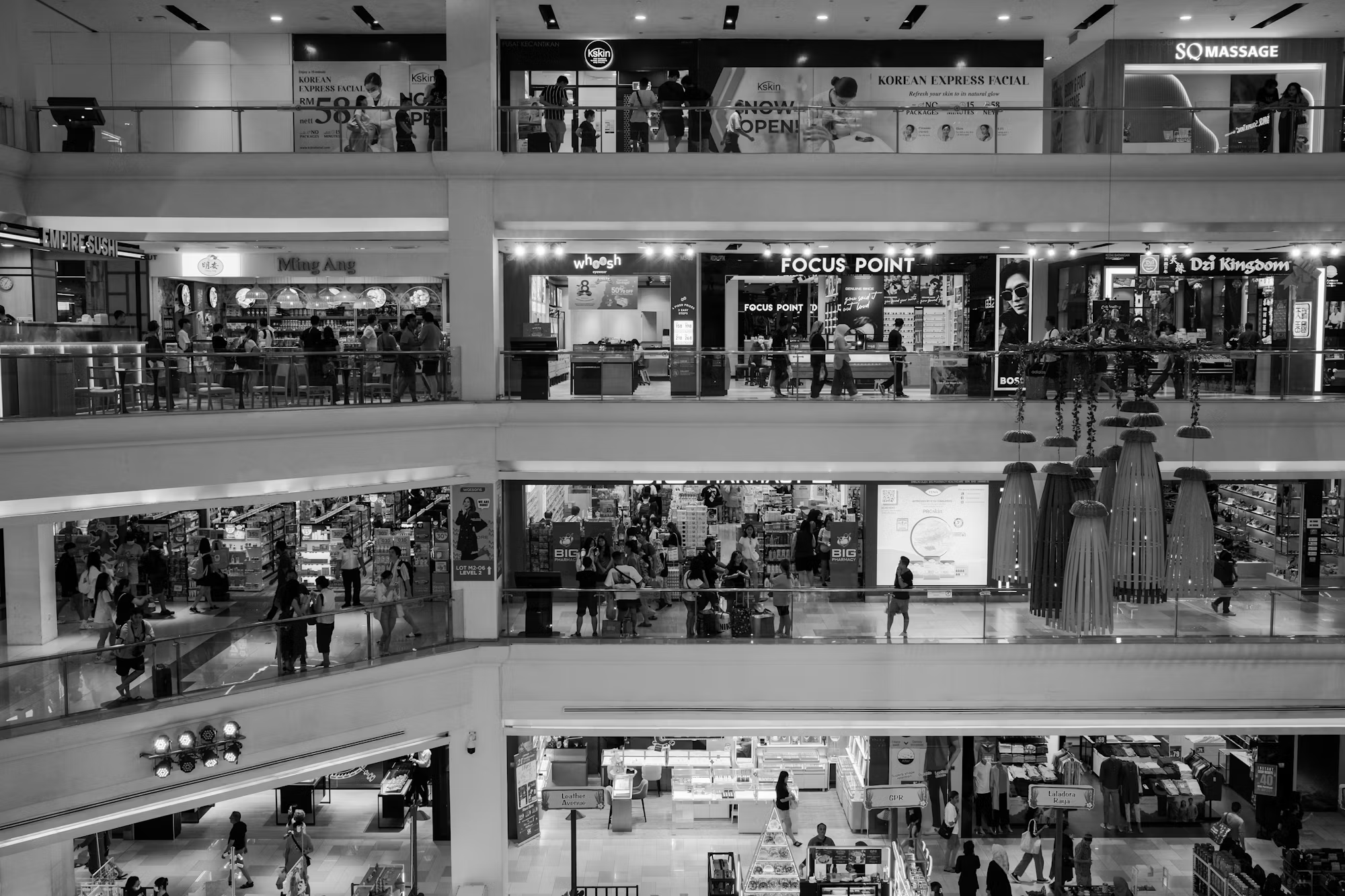
Exploring the Rise of Sustainable Shopping: A New Era in Retail
An in-depth look at the growing trend of sustainable shopping and how retailers are adapting to meet
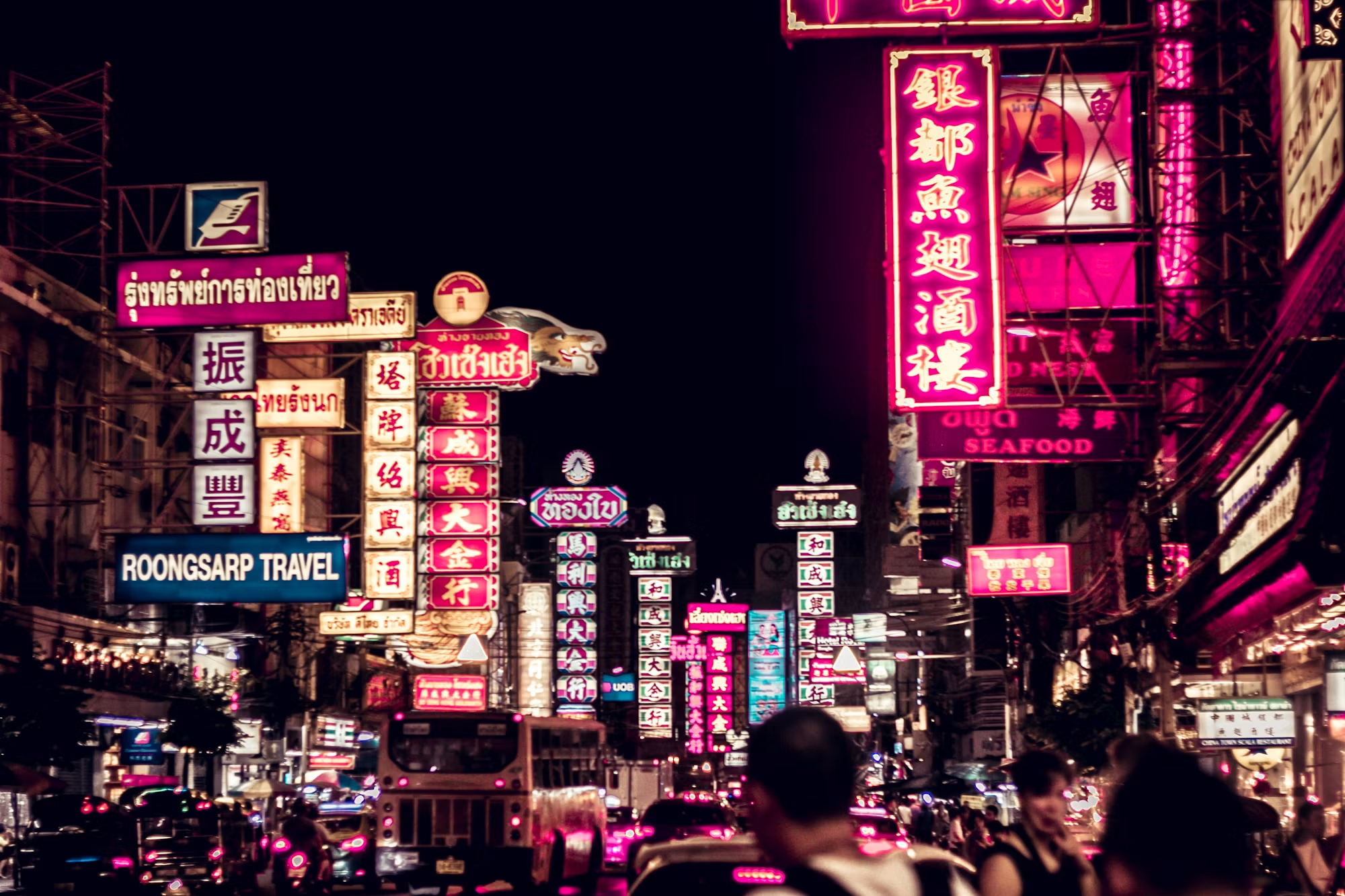
Navigating the Future of Retail: Trends and Innovations
An exploration of current trends and innovations shaping the retail landscape, including the impact
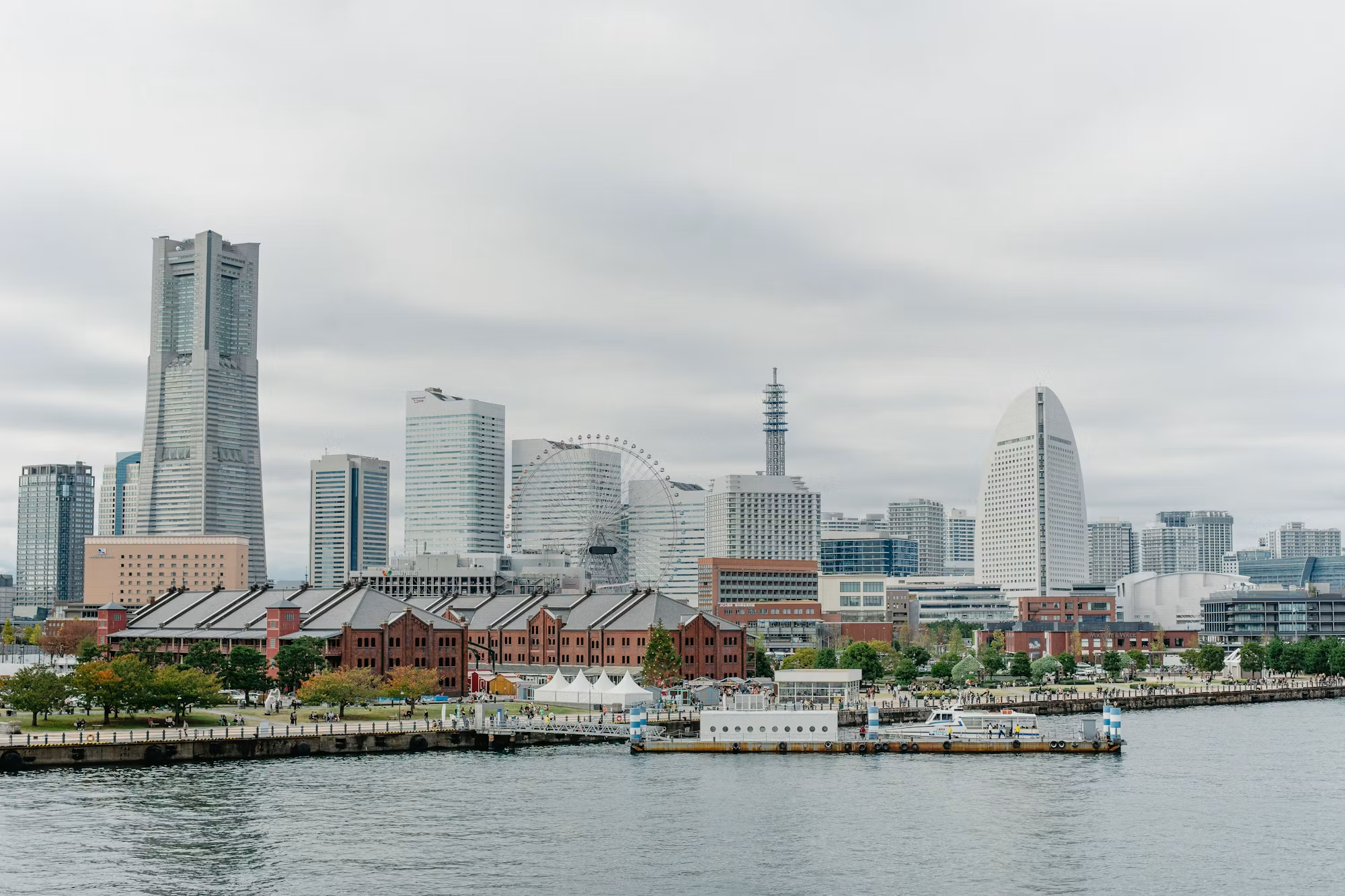
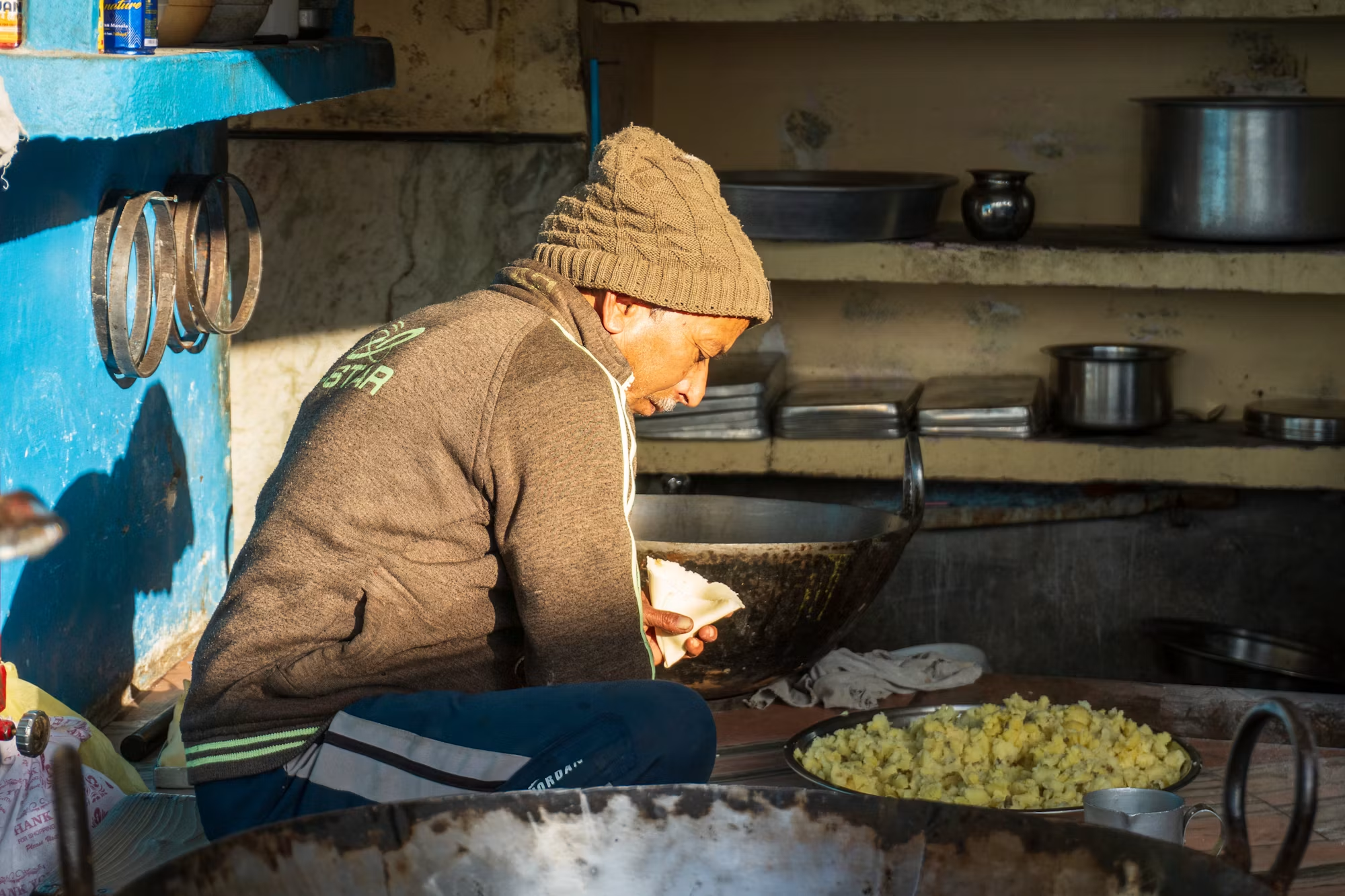
Exploring the Cultural Significance of Artisan Markets
An in-depth look at artisan markets, their impact on local communities, and their role in preserving
Navigating the Future of Retail: Trends and Innovations in Shopping
This article explores the latest trends and innovations shaping the future of retail, from sustainab
Reimagining Retail: The Impact of Technology and Consumer Trends
This article explores the transformative effects of technology and changing consumer preferences on